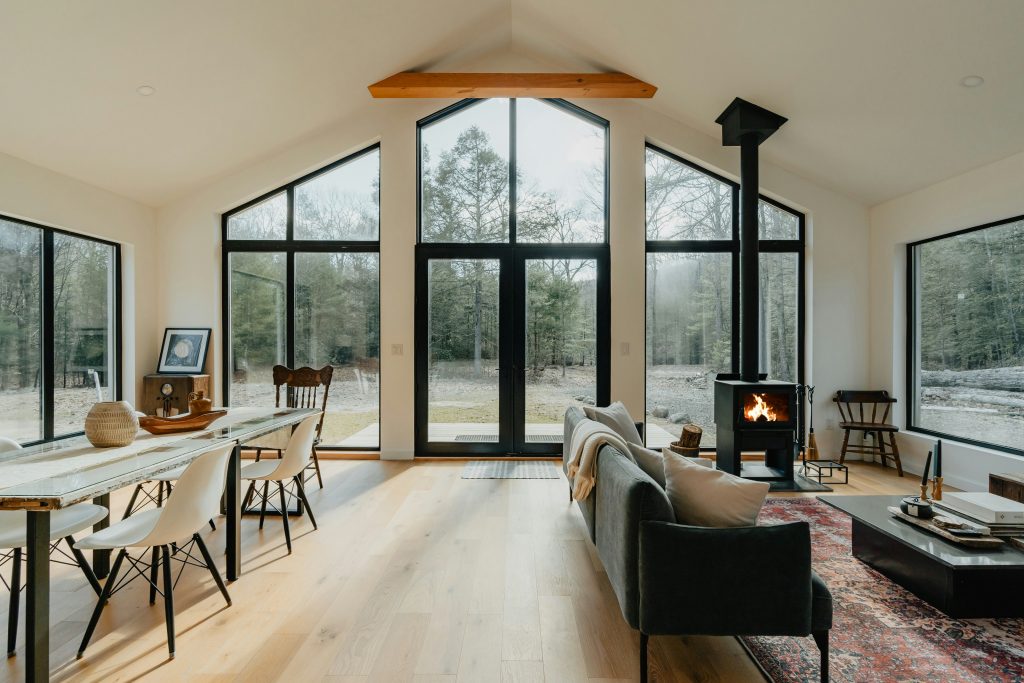

Painting is more than just a fresh coat on the walls. Whether you’re updating your family home or giving your business a professional edge, the type of painting service you choose can make a big difference. While both commercial and residential painting involve similar materials and techniques, the way each project is approached and delivered varies significantly.
If you’re based in Melbourne or anywhere across Australia, understanding these differences can help you find the right painter for your project. It ensures your expectations are met and your budget is used wisely. This guide covers the key factors that set commercial and residential painting apart, helping you make an informed choice.
Purpose and Scope of the Project
Residential Painting focuses on making a home look and feel inviting. The goal is to reflect the homeowner’s style, create comfort, and boost visual appeal. Projects often include interiors, exteriors, fences, decks, and even feature walls.
Commercial Painting, on the other hand, is designed to align with a business’s image. It plays a part in brand identity, customer experience, and sometimes compliance (such as colour-coded safety zones). Common commercial projects include offices, retail spaces, schools, warehouses, and multi-storey buildings.
Each project type has its own priorities: homeowners may want calming colours for bedrooms, while a business might want bold tones that match branding guidelines.
Project Size and Complexity
Residential painting jobs typically range from a single room to a full house. They’re relatively straightforward and often involve less coordination.
Commercial painting is usually larger in scale and more complex. Think of painting an office block or a shopping centre, these projects need more planning, a larger team, and possibly specialist equipment. They may also involve multiple surfaces and finishes, tight deadlines, and site-specific restrictions.
Commercial jobs often require coordination with builders, site managers, or property owners, making clear communication and planning crucial.
Surface Types and Materials
Homes in Melbourne generally feature materials like plasterboard, timber, and brick. These are standard surfaces that most residential painters handle regularly.
In commercial spaces, painters deal with a wider variety of materials including metal cladding, concrete panels, steel structures, and high-traffic floors. These surfaces often need specific prep work or primers to ensure adhesion and durability.
Surface preparation in commercial painting can involve cleaning industrial residue, repairing larger-scale damage, or applying protective coatings in high-use areas.
Paint Types and Finishes
Choosing the right paint matters. This guide explains how paint selection varies for residential and commercial projects. Paint durability, finishes, and product selection differ depending on the setting and use case.
Residential painting typically involves paints that prioritise visual appeal and indoor air quality like low-VOC or washable interior paints. Exterior choices might focus on weather resistance.
Commercial painting often uses high-performance coatings designed to withstand heavy traffic, moisture, or strict hygiene requirements (such as in medical or food settings). These paints may also need to meet specific safety or compliance standards.
Residential paint focuses on aesthetics, washability, and low odour. Homeowners often choose from a wide range of finishes, from matte to gloss, depending on the room and function. Many also opt for low-VOC or eco-friendly products, especially in homes with kids or pets.
Commercial paint needs to be more hard-wearing. Paint used in hospitals, factories, or schools must resist frequent cleaning, harsh chemicals, and wear and tear. In some sectors, safety colours and fire-retardant coatings are mandatory.
Commercial painting often follows strict standards, including durability ratings, slip resistance, or anti-graffiti protection.
Tools and Equipment Used
Residential painters typically use brushes, rollers, drop sheets, and small-scale ladders. Most jobs are done manually, room by room.
Commercial painters, however, often rely on industrial tools such as airless sprayers, elevated work platforms, and scaffolding. Larger-scale jobs may also require safety gear like harnesses, hard hats, and high-vis uniforms, especially on construction sites.
Occupational Health and Safety (OH&S) regulations also come into play more heavily on commercial sites, meaning painters must be fully trained and insured.
Scheduling and Flexibility
Residential jobs usually work around the homeowner’s schedule. It might mean painting during weekdays, avoiding school holidays, or managing pets while work is done.
Commercial painting often requires far more flexibility. Businesses can’t afford interruptions to daily operations, so painters may work after hours, on weekends, or during shutdown periods. Some projects are completed in stages to keep part of the space open.
Timely delivery is often more critical in commercial painting, especially when tied to larger construction or renovation timelines.
Regulations and Compliance
Residential painting generally has fewer legal hoops to jump through, though it still must follow relevant building codes.
Commercial painting must meet a range of compliance requirements, especially in Melbourne where construction sites are regulated under WorkSafe Victoria and local council codes. Painters may need additional certifications and site inductions. Public liability insurance and safety documentation are standard.
Depending on the job, failure to meet these regulations could result in project delays, fines, or unsafe working conditions.
Cost Differences
Residential painting is usually more budget-friendly. Pricing is influenced by room size, number of coats, preparation required, and chosen paint products.
Commercial painting tends to be more expensive due to larger scale, specialised coatings, equipment, and additional labour. Accessibility (e.g., painting at heights or in confined spaces) and compliance costs also affect the price.
That said, commercial painting quotes are usually itemised in detail to suit tender requirements and stakeholder approvals.
Choosing the Right Painter for Your Needs
When hiring a painter, it’s important to find one experienced in the type of work your project needs.
For residential painting, look for someone who can provide style advice, offers flexible hours, and has a strong portfolio of home projects. Word-of-mouth and local reputation go a long way.
Not sure where to start? Check out our 5 tips for hiring the best house painter in Mornington.
For commercial painting, choose a painter or painting company with experience handling large-scale projects, safety compliance, and scheduling around operational hours. Ask for case studies, insurance documents, and a clear breakdown of costs and timelines.
Conclusion
While both residential and commercial painting aim to improve a space, they differ in many ways, from scale and materials to safety and compliance. Choosing a painter with the right experience ensures the job is done properly, efficiently, and to the right standards.
If you’re planning a paint project in Melbourne, take the time to understand your property’s specific needs. Whether it’s a cosy home update or a full commercial fit-out, finding the right team will make all the difference.
Ready to transform your space? Contact our professional painters in Mornington for expert residential or commercial painting solutions.



Frequently Asked Questions
Do commercial painters also do residential jobs?
Some do, but not all. Always check the painter’s experience and ask for examples of similar projects.
Is there a difference in warranty or guarantees?
Yes. Residential painters often provide guarantees on workmanship and materials. Commercial warranties might vary depending on contract terms and scope.
Can I use residential paint in a commercial space?
Not always. Residential paint may not meet durability or safety standards required in commercial environments. It’s best to consult a professional before making a choice.