
Painting the outside of your home is one of the most effective ways to boost curb appeal, protect your investment, and add value. But in Melbourne’s unique climate, with its hot summers, wet winters, and often unpredictable weather, choosing the right materials, techniques, and timing is essential.
Whether you’re preparing to sell or simply freshening up your home’s look, this guide walks you through everything you need to know about exterior painting in Melbourne.
Why Exterior Painting Matters
Over time, Melbourne’s weather can wear down your home’s surfaces. Cracked, peeling, or faded paint isn’t just an eyesore, it can also expose your property to water damage, wood rot, and pest issues.
A professionally painted exterior provides more than just aesthetics. It creates a barrier against UV rays, rain, and pollution, helping your home last longer and reducing future repair costs.
When Is the Best Time to Paint in Melbourne?
Timing your exterior paint job is crucial for the best finish and longevity. Melbourne’s ideal painting season falls between late spring and early autumn. During these months, temperatures are moderate, humidity is lower, and rain is less frequent.
Avoid painting in the middle of summer heatwaves or during the rainy winter months, as paint may not cure properly in those conditions.
Choosing the Right Paint for Melbourne’s Climate
Not all exterior paints are made equal. In Melbourne, your paint needs to stand up to UV rays, fluctuating temperatures, and moisture. Look for:
- UV-resistant formulas: To reduce fading and chalking
- Weatherproof coatings: To repel rain and withstand moisture
- Low-VOC options: Better for health and the environment
Reputable Australian brands like Dulux Weathershield and Taubmans All Weather are specially designed for local conditions.
Surface Preparation: Why It’s Non-Negotiable
One of the most common reasons exterior paint fails prematurely is poor preparation. Before any paint touches your walls, ensure:
- All surfaces are clean: Remove dirt, mould, and flaking paint
- Gaps and cracks are filled: Use appropriate sealants for timber, masonry, or render
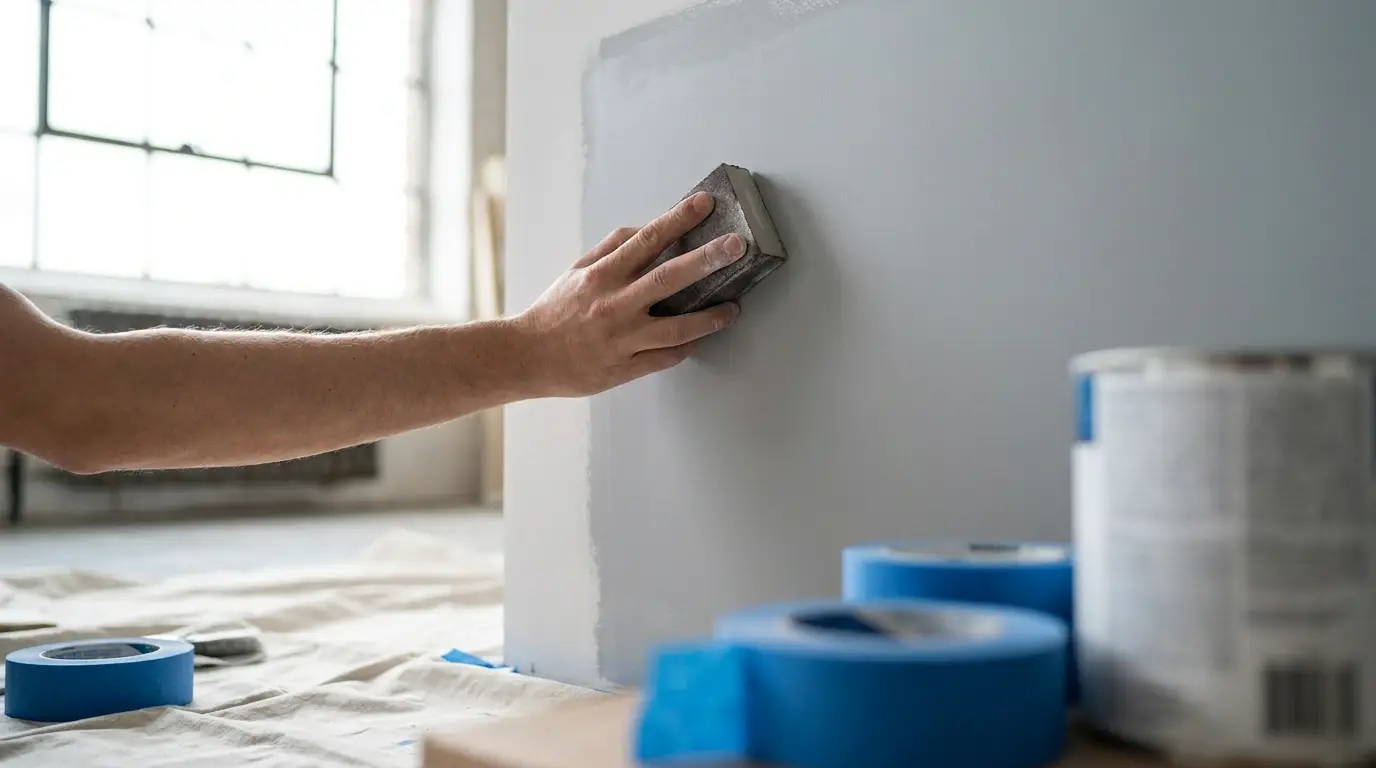
- Sanding is done properly: For adhesion and smoother finish
- Primer is applied where needed: Especially for bare surfaces or patchy areas
Skipping prep might save time upfront, but it often leads to peeling, bubbling, or cracking later.
Colour Selection: Blending Style and Practicality
Melbourne’s diverse architecture, from classic weatherboards to modern renders, means colour choice is both a creative and functional decision.
Here are a few tips:
- Light tones reflect heat: Ideal for sun-facing exteriors
- Dark colours absorb heat: May fade quicker but can add depth
- Consider surroundings: Complement landscape, roof, and neighbouring properties
- Heritage-listed homes: Check for local council regulations
For more inspiration, refer to local trends or consult a colour consultant. Many professional painters also offer digital previews.
DIY vs. Professional Painting: What’s Best for Exteriors?
While DIY painting might seem like a cost-effective choice, exterior projects come with challenges:
- Height and access: Ladders and scaffolding can be risky without training
- Surface complexity: Eaves, trims, and weatherboards require skill
- Weather delays: Pros know how to plan around conditions
Hiring professionals ensures a smoother process and longer-lasting results. For more detail, check out 7 Reasons to Hire a Professional Interior Painter in Mornington, which highlights transferable benefits that apply to exterior projects too.
Key Considerations When Hiring a Painter
Not all painting contractors offer the same level of service. To find the right fit for your exterior project:
- Ask about experience with similar homes
- Check for insurance and licensing
- Request a detailed quote and timeline
- Review past work and customer testimonials
Local professionals familiar with Melbourne’s weather and council requirements are better positioned to deliver quality results. 5 Tips for Hiring the Best House Painter in Mornington is a helpful resource to guide your decision-making.
Cost Breakdown: What Affects Exterior Painting Quotes?
Prices vary depending on the size and condition of your home, access, and paint quality. On average, expect the following in Melbourne:
- Single-storey home: $5,000-$10,000
- Double-storey home: $10,000-$20,000
Factors that can influence cost:
- Repairs or prep work needed
- Number of colours or detail work (e.g. trims, windows)
- Type of surface (weatherboard, render, brick)
Always request a written quote that outlines prep, coats, and materials.
Sustainability in Painting: Make It Greener
Melbourne homeowners are increasingly seeking eco-conscious options:
- Choose low-VOC or no-VOC paints
- Recycle paint cans at your local facility
- Minimise waste by accurate quantity planning
- Use long-life paint to reduce frequency of repaints
Not only is this better for the environment, but it also contributes to better indoor and outdoor air quality.
How Long Will Exterior Paint Last in Melbourne?
With proper preparation and high-quality materials, you can expect:
- Timber weatherboards: 5-8 years
- Rendered walls: 7-10 years
- Brick exteriors: Up to 15 years if painted correctly
Regular cleaning and maintenance like clearing gutters and washing walls, can extend the life of your paint job.
Conclusion
Painting the exterior of your Melbourne home is an investment in style, protection, and property value. By understanding the local climate, choosing the right materials, and hiring a professional with experience, you’ll ensure results that look great and last for years.
Whether you’re updating for personal enjoyment or preparing to sell, the effort you put into a proper exterior paint job will pay off.
Need help transforming your home’s exterior?
Reach out to a trusted local painting expert for advice, quotes, and colour consultations tailored to Melbourne homes.
FAQ
Do I need council approval to paint my home?
Usually not, unless your property is heritage-listed. Check with your local council if unsure.
How long does a professional exterior paint job take?
Depending on the size and scope, most projects take 1-2 weeks, including prep and drying time.
Should I stay home during the work?
You don’t have to, but it helps to be available for site access or to discuss progress with your painter.
How can I tell if my home needs repainting?
Look for flaking, discolouration, cracking, or bubbling, these are signs the paint has reached the end of its life.
Can I paint over old paint?
Yes, but only after thorough surface preparation. New paint must bond properly, or it will fail.